

5 Pregnancy body changes that no one told you about
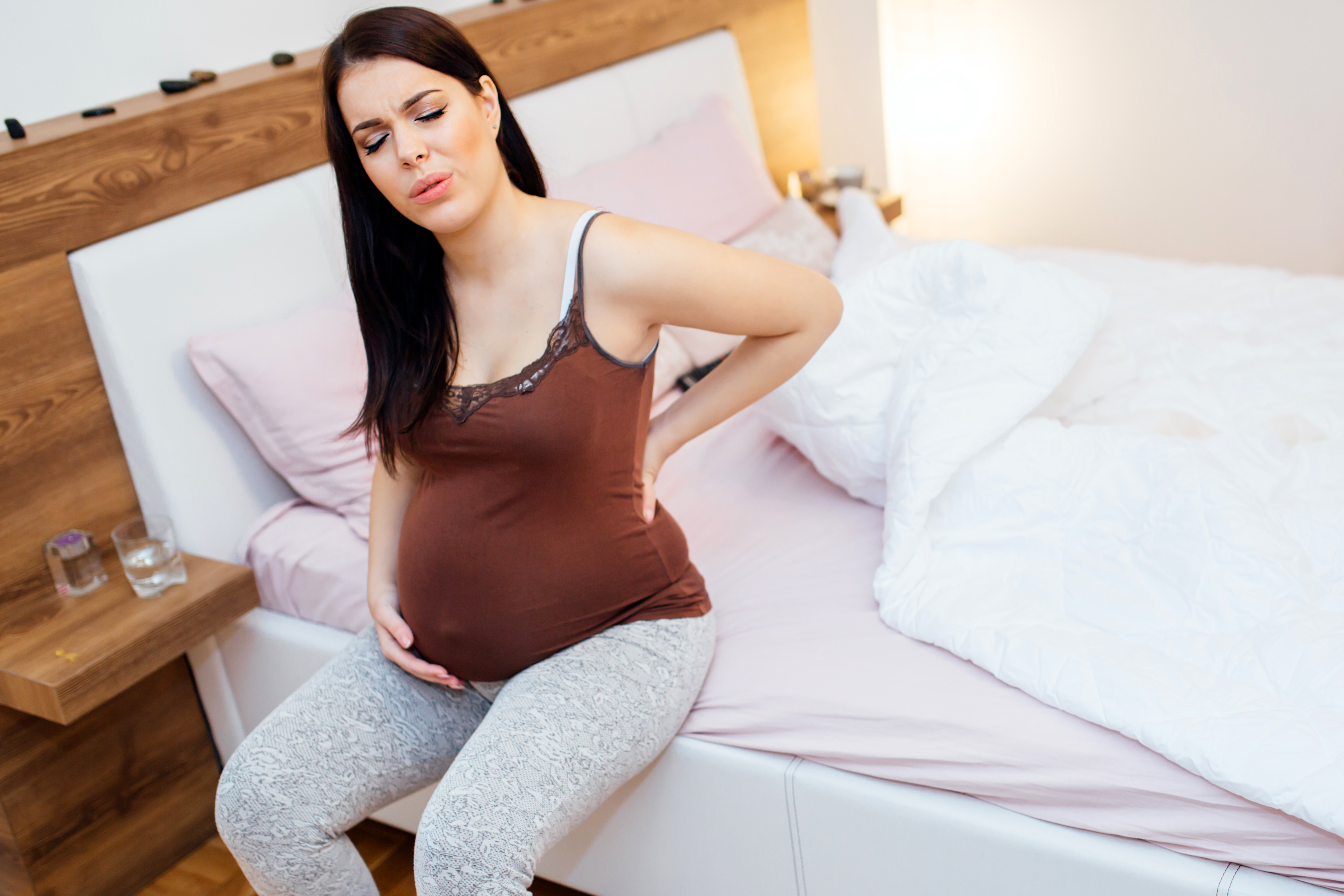
We all know that certain symptoms accompany pregnancy. Nausea and heartburn for example are symptoms most pregnant women complain of, and therefore it doesn’t come as a surprise to a first-time mommy experiencing some digestive discomfort. You probably expected some stretch marks and weight gain. And you are perhaps even looking forward to some food cravings.
But sadly this is not where it ends, and there are some fairly nasty effects of pregnancy that no one willingly discloses. While most of these are not considered to be serious, they can cause a lot of discomfort and even distress. We take a closer look.
Join our antenatal class for more practical tips and information on pregnancy, birth and baby care
Pregnancy aches and pains
Back ache, pain over the pubic bone, and pains shooting through your bum into your leg (sciatica) are normal in pregnancy. High progesterone levels cause all your ligaments to relax so that your pelvis can open wider for an easier birth. Sadly this also causes inflammation and less support for your muscles and joints. Ligament pains can range from mildly uncomfortable to almost debilitating.
Tips to cope:
- Though you do not feel like physical exercise, make sure that you stay active through activities like walking and swimming. Indirectly this will relief discomfort.
- Support your sleep position with pillows – if lying on your side, put a pillow between your knees, one under your baby bump and one behind your back.
- You can wear a pregnancy support band or belt.
- Try the homeopathic tissue salts Calc fluor (no 1) and Ferrum phos (no 4).
- See a chiropractor and a physiotherapist. With a few simple treatments and daily exercises you can decrease backache, sciatica and ligament pains substantially.
Constipation
As if aches and pains are not enough, high progesterone levels cause your bowels to relax a bit. Combined with pressure from baby on the gut, most pregnant women experience constipation. This can lead to haemorrhoids, which can become very painful after your delivery.
Tips to cope:
- Get some exercise, even if you just take a walk around the block.
- Drink 1,5-2 litres of water a day.
- Don’t eat big meals late at night.
- Supplement with Omega-3 rich oil and add more healthy fats to your diet like olive oil, coconut oil and avocado.
- Pregnancy supplements may sometimes cause constipation, so stop these for a few days or consider moving to another brand.
- Be sure to take in enough fibre. Eat more lentils, as these are especially fibre rich. You can also soak 3 dried prunes in water overnight, and mix it the following morning with yoghurt and a tablespoon full of wheat bran. Do this daily.
- You can ask your doctor to suggest a pregnancy-safe laxative if constipation is severe.
Vaginal discharge and infections
While your hormones may lead to an increased vaginal discharge that is just normal, pregnancy changes your body pH, which makes you more prone to vaginal infections like bacterial vaginosis (bv) or Candida (thrush). Therefore if your discharge has a bad smell or if it’s itchy and burning you should seek treatment from your doctor.
Tips to cope:
- Use unfragranced feminine hygiene products with a pH adapted for your vaginal area. Some products already has added probiotics. This will protect the environment for the good bacteria that grows in the vagina, enabling them to fight infection.
- Avoid wearing synthetic underwear.
- Avoid tight-fitting pants.
- Avoid g-strings – these provide a highway for germs from your anal to your vaginal area (I did warn you that it’s nasty).
- Cut your sugar intake – high blood glucose levels increase the growth of Candida and can lead to thrush.
Muscle leg cramps
Many women get woken up at night with painful leg cramps. This has got to do with Magnesium needs in pregnancy. Other signs that you may need more Magnesium includes excessive hiccupping in baby.
Tips to cope:
- Massage your calve with homeopathic Arnica gel.
- Eat foods rich in magnesium like nuts, seeds, bananas, leafy green vegetables.
- Take the homeopathic tissue salt Mag phos (no 8).
- You can also use a Magnesium supplement like Slow Mag
Swelling (oedema) in pregnancy
While you may have expected swollen feet, you can experience fluid retention in other body areas that you didn’t know about.
Sweling in your wrists can cause carpal tunnel syndrome, which will present as a tingling feeling and loss of sensation in your hands.
Your nasal mucous membranes and eyes can also suffer, leading to a constant slightly stuffy nose, snoring at night and occasionally the need to stop wearing contact lenses.
Tips to cope:
- Exercise will get your blood flow going and improve lymph drainage.
- Keep up your fluid intake – the solution for swelling is NOT to drink less water.
- Try the tissue salts Nat mur (no 09) and Nat sulph (no 11).
- A reflexology session can do wonders for swelling in your feet and legs.
- If you suddenly swell very badly you should urgently let your doctor know as he may want to check your blood pressure and urine to exclude pre-eclampsia.